01Oct

What Happens to My ARF When I Die?
Many people assume a pension fund disappears when they pass away. What Happens to My ARF When I Die? …
Read MoreWhen you move into retirement and set up an Approved Retirement Fund (ARF), your pension doesn’t simply “sit” in cash. It remains invested. How that money is invested and how it performs over time will have a major impact on the income you get for the rest of your life.
This page explains, in clear language, how ARF investments work and what you need to think about when choosing an ARF investment strategy.
An ARF (Approved Retirement Fund) is a flexible retirement fund that lets you:
The “investment” part is simply how your ARF money is allocated across different types of funds – for example:
The goal is to balance growth, income and investment risk and volatility.

When deciding how to invest your ARF, a few key principles are especially important:
Your ARF needs to support the income you want, not just in year one, but over the long term. We look at:
* How much income you need each month
* What other income you have (state pension, rental income, other savings, inheritance)
* For how long do you need your ARF to provide you with an income
The more income you take, the harder your ARF has to work and the more important the investment mix becomes.
Every ARF investor has a different view of investment risk:
* Some prefer stability, even if that means lower growth
* Others are comfortable with more ups and downs in return for higher long-term growth potential
Your ARF investments can be tailored to your risk level, for example:
* Cautious – more defensive, lower-volatility funds
* Balanced – a mix of growth and defensive assets
* Adventurous – higher long-term growth potential, more volatility
The aim is not to eliminate investment volatility completely, but to take the right level of risk for you.
A well-constructed ARF Investment will usually be diversified, meaning:
* Money is spread across different asset classes (shares, bonds, property, cash, etc.)
* Investments are spread across different regions and sectors
This helps reduce the impact if one area or market underperforms.
* A single fund that spreads your money across shares, bonds, property and cash * Usually managed to a specific risk level (e.g. “low”, “medium”, “high” risk) * Useful for clients who want simplicity and broad diversification
* Aim to protect capital and smooth out investment returns * Typically hold more bonds and cash, and fewer high-risk assets * Often suitable when you are more concerned about security than high growth
* Invest mainly in shares (equities) for higher long-term growth potential * Values can rise and fall more sharply * May suit investors with a longer time horizon and higher risk tolerance
At ARF Ireland, we don’t simply place you into a one-size-fits-all fund. Our process usually involves:
Understanding your situation – We start by looking at:
Investing in an ARF is not a once-off decision. We will:
The objective is to give you clarity and confidence so you know how and where your ARF is invested and why.
If you are about to access your pension and set up an ARF – we can:
Our focus is simple: Your Pension Options, Clearly Explained.
ARF investments are simply how your retirement fund is positioned once you move into drawdown. The right mix of funds, balancing growth, security and income helps ensure your ARF lasts throughout retirement.
A well-structured ARF plan should match your income needs, reflect your attitude to risk, and be reviewed regularly as your circumstances change. At ARF Ireland our team will help you understand how your ARF is invested, whether it’s on track, and what adjustments may improve long-term results.

Pension, Tax & Investment Specialist
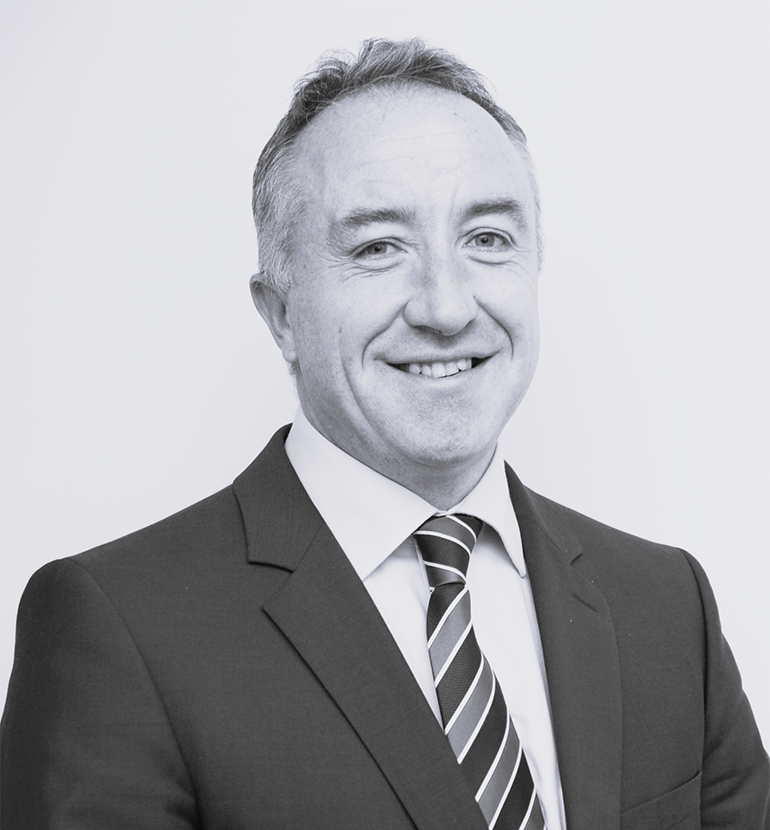
Owner &
Director

Communications Manager
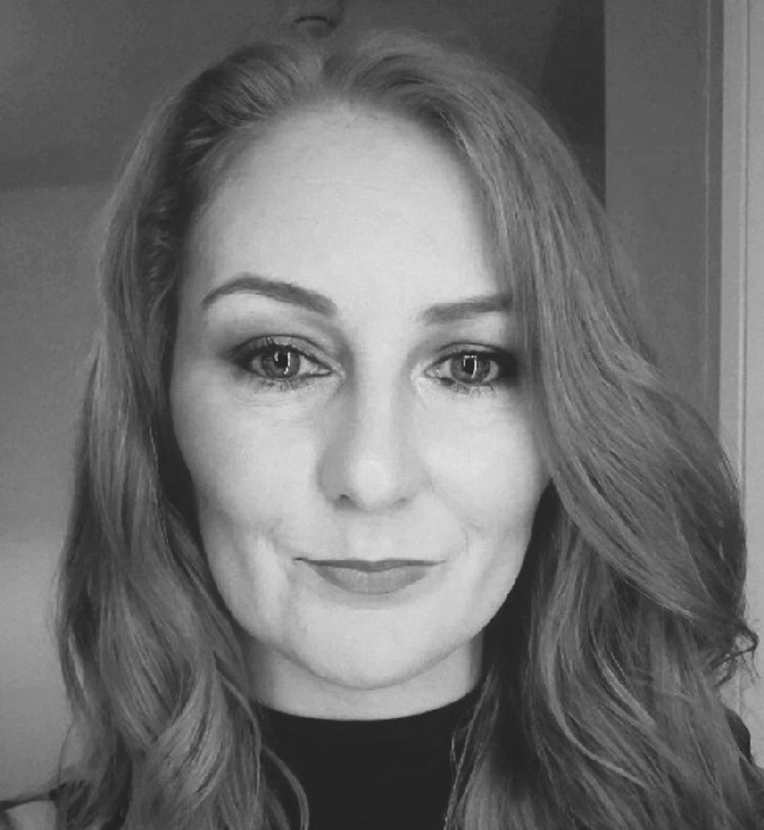
Financial
Advisor
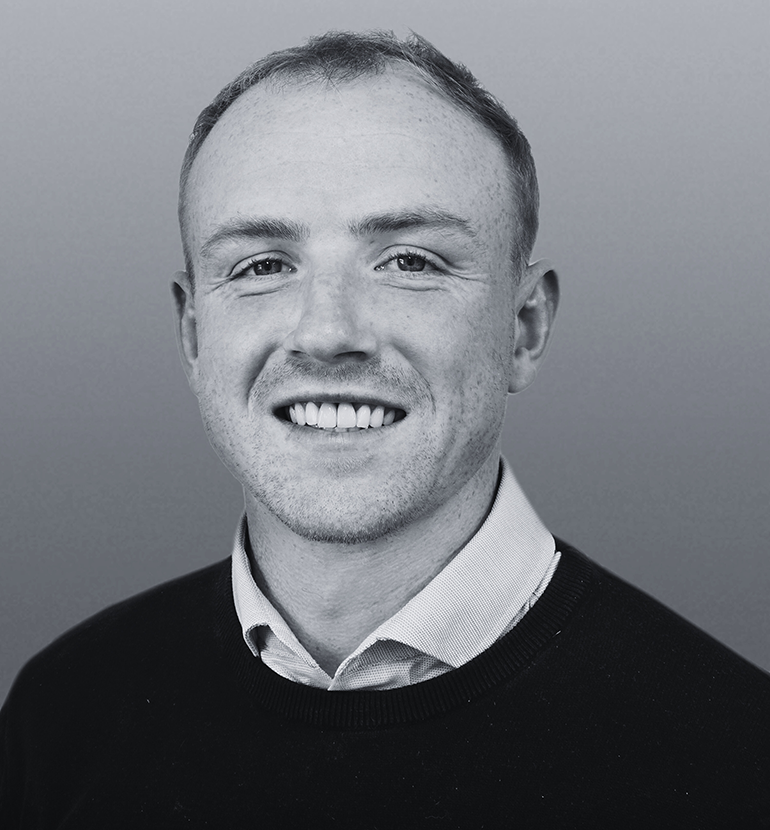
Financial Administrator
You can hold your ARF in cash, but in practice this is rarely suitable over the long term. Cash may feel safe, but inflation can erode its value and it may not support the income you need for 20–30 years of retirement.
Yes. Because your ARF is invested, its value can go up and down. The key is to hold a level of investment risk that you are comfortable with, and to review it regularly so you’re not taking more or less risk than you need.
You do, with financial advice. We explain the options clearly and recommend a strategy, but ultimately, you approve how your ARF is invested, and you remain the owner of the fund.
Yes. You can usually switch between funds or adjust your risk level over time. This is often done at annual review meetings or when your circumstances change (for example, health changes or big spending decisions).
Any remaining value in your ARF normally passes to your spouse, partner, or estate, subject to the usual tax rules. This is one of the main differences between an ARF and an annuity, where payments usually stop on death (or after a guaranteed period).
You can contact ARF Ireland to arrange a one-to-one consultation. We will review your existing ARF (or your options before setting one up) and explain clearly what investment approach may be suitable for you.
Many people assume a pension fund disappears when they pass away. What Happens to My ARF When I Die? …
Read More
How much should you withdraw from your ARF, and what tax will you pay? For many retirees, an…
Read More
An Irish engineer reviews his tax-free cash, ARF and retirement income options A Retirement Planning Case Study for Private…
Read MoreWe use cookies to help you navigate efficiently and perform certain functions. You will find detailed information about all cookies under each consent category below. The cookies that are categorised as "Necessary" are stored on your browser as they are essential for enabling the basic functionalities of the site. We also use third-party cookies that help us analyse how you use this website, store your preferences, and provide the content and advertisements that are relevant to you. These cookies will only be stored in your browser with your prior consent. You can choose to enable or disable some or all of these cookies but disabling some of them may affect your browsing experience.
For more information, please see our Cookie Policy.